
Cylinder Basics
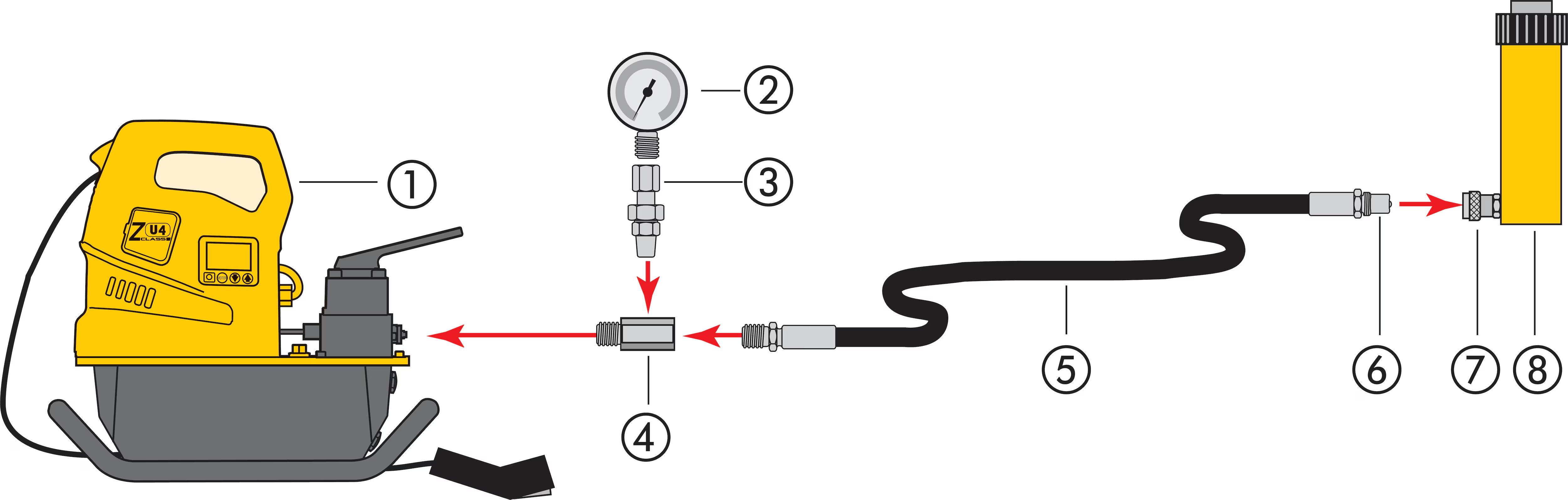
A hydraulic cylinder is a tool used to exert force in a linear direction. It is primarily used to push, pull, lift and lower loads. A hydraulic cylinder is part of a hydraulic system consisting of at least one hydraulic cylinder, hydraulic pump and hydraulic valve (which may be integrated on the pump). The system components are connected using hydraulic couplers, hoses and gauges. A hydraulic pump forces hydraulic oil into the cylinder, building pressure and extending the cylinder’s plunger. The amount of force the system exerts is determined by the capacity of the cylinder. The stroke of the cylinder is the maximum amount of distance that the plunger can exert force on the load. The degree of control and the speed with which the force is applied is determined by the pump and valve.
- Pump
- Gauge
- Auto-Damper Valve (V10)
- Gauge Adaptor
- Hydraulic Hose
- Male Coupler
- Female Coupler
- Cylinder
Types of Cylinders
Hydraulic cylinders can be classified by numerous features (return types, plunger types, materials, category types, etc.), but the most basic classification is Return Types. All hydraulic cylinders can be classified by one of three Return Types, which are used to determine the direction that force is applied by the cylinder(s) – advance, retract or both.
Single-Acting, Load Return
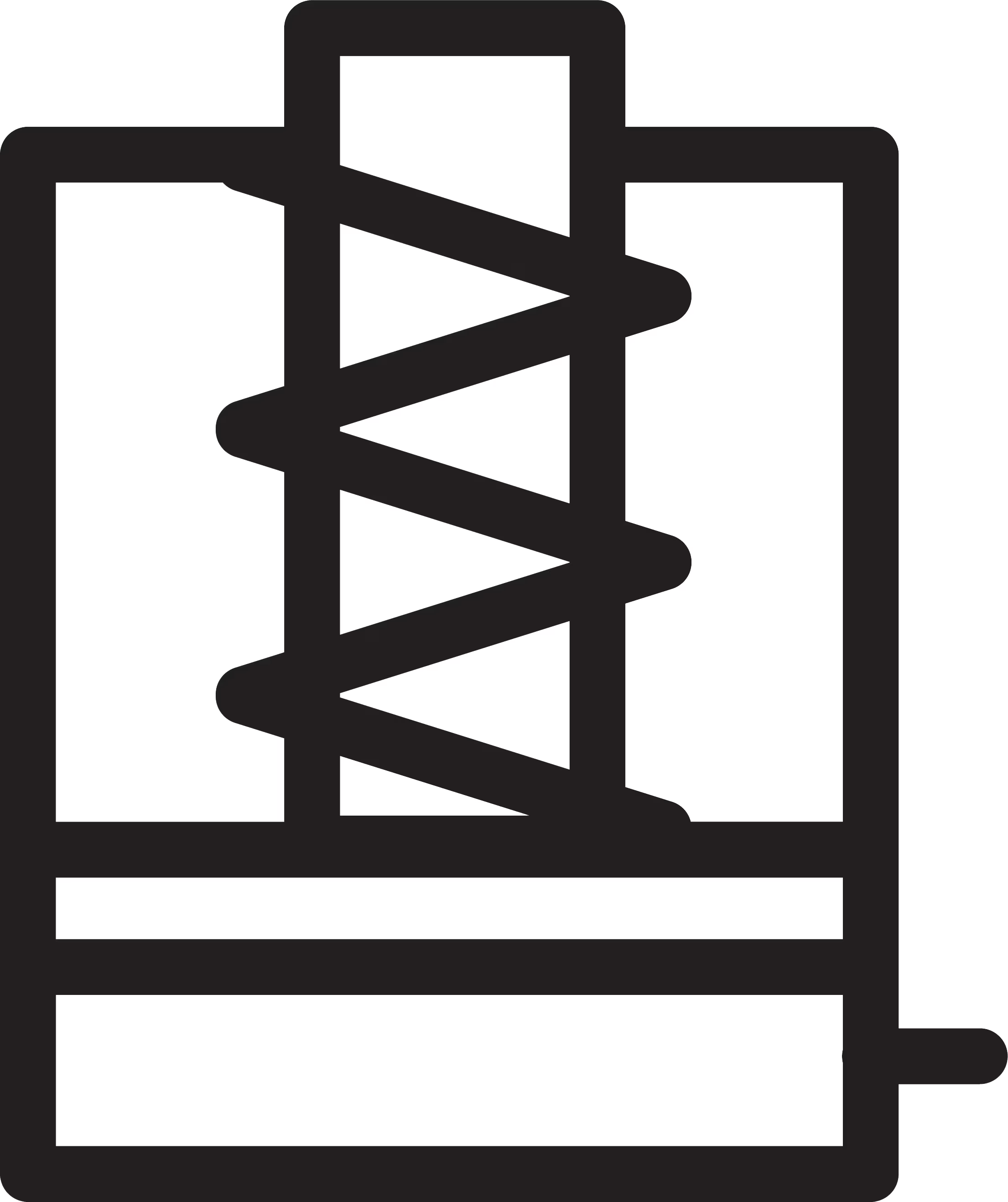
Single-Acting, Spring Return
Double-Acting, Hydraulic Return


Application
- Intermittent use
- Applies force in one direction; advance
Considerations
- Lower cost compared to Spring Return and Double-Acting cylinders
- More difficult to retract the plunger compared to both Spring Return and Double-Acting cylinders, especially in high capacity cylinders
Application
- Intermittent use
- Applies force in one direction; advance
Considerations
- Lower cost compared to Double-Acting cylinders
- The spring will retract the plunger. This may take some time for high capacity and long stroke cylinders
- Easier to retract the plunger compared to Load Return cylinders
Application
- Higher cycle applications
- Quick retraction required
- Applies force in two directions; advance and retract
Considerations
- More versatile
- Easier to retract the plunger than Load Return and Spring Return cylinders
- Able to control the retraction of the plunger
- A pump with a 4-way valve is required
Cylinder Components
In general, hydraulic cylinders are comprised of several primary components; base, plunger, stop ring, coupler(s), and saddle. Additional components and features like collar threads, relief valves, lifting eyes, and Lock-nuts depend on the return type and category of the cylinder. The diagrams below show both primary and common components of a hydraulic cylinder.
- Saddle
- Plunger
- Base
- Coupler
- Base Holes
- Collar Thread
- Wear Band
- Seal
- Spring
- Stop Ring
- Lifting Eye
- Lock-nut
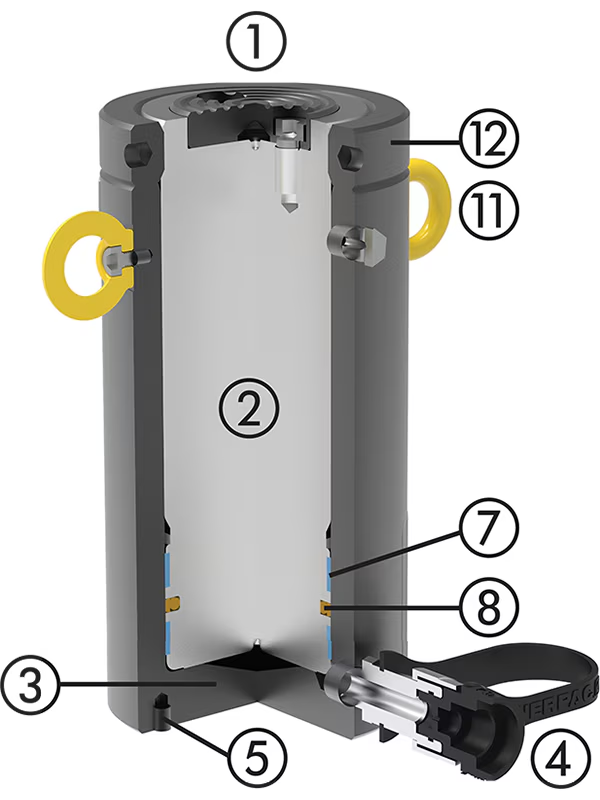
Single-Acting, Load Return, Lock-nut
HCL Series
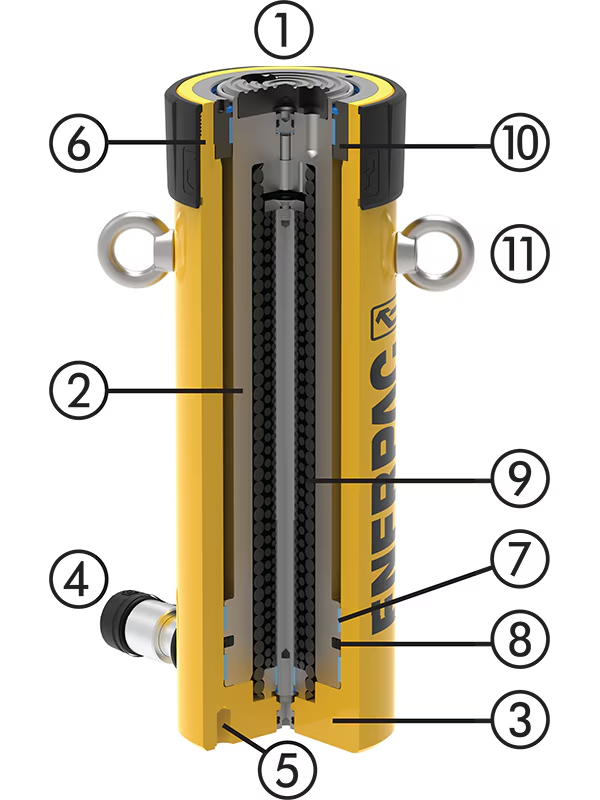
Single-Acting, Spring Return
RC Series
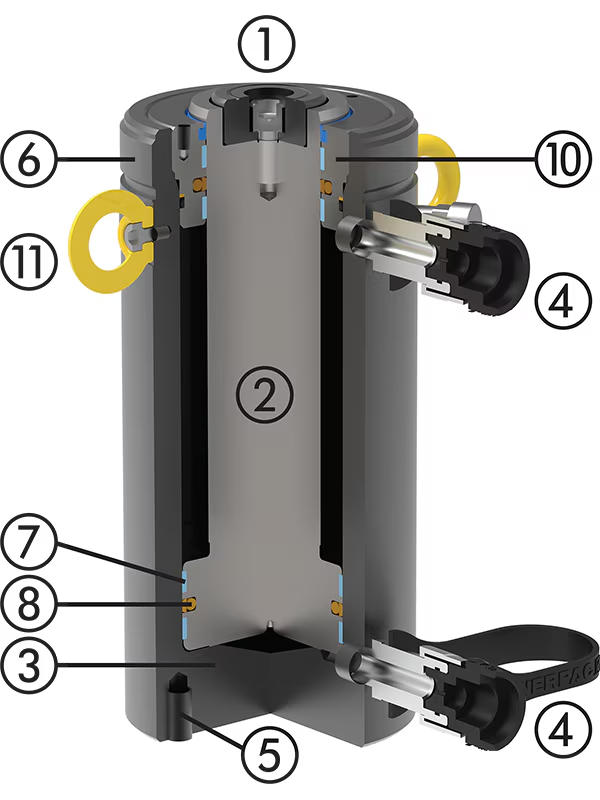
Double-Acting, Hydraulic Return
HCR Series
Cylinder Features
Capacity (Tonnage/Force)
The capacity of force that the cylinder is capable of exerting upon an object. The amount of force a hydraulic cylinder can generate is equal to the hydraulic pressure times the ‘effective area’ of the cylinder. (Good practice encourages using only 80% of the capacity.)
Stroke
The total distance that the plunger extends from the cylinder base. (Good practice encourages using only 80% of the stroke.)
Plunger Speed
The speed at which the plunger will advance from the cylinder base; determined by the flow rate of the pump.
Return Type
Single-Acting, Load Return
- Hydraulic force can only be applied to the plunger in the advance direction. The plunger retracts into the cylinder by the weight of the load.
- Generally able to lift, lower or push (note: the addition of a Venturi Valve to an electric pump will create a vacuum effect within the cylinder which will assist with the retraction of the plunger)
Single-Acting, Spring Return
- Hydraulic force can only be applied to the plunger in the advance direction. The plunger retracts into the cylinder with the assistance of a high-strength internal spring.
- Able to lift OR lower, push OR pull.
Double-Acting, Hydraulic Return
- Hydraulic force can be applied to the plunger in both the advance and retract directions.
- Able to lift AND lower, push AND pull.
Effective Area
The internal surface area of the plunger/piston which with the hydraulic pressure acts upon to generate force. The larger the effective area, the larger the force created for a given applied pressure.
Collapsed Height (Closed Height)
The minimum height of the cylinder with the plunger fully retracted.
Collar Thread
Threads on top of the base which can be used to fasten a threaded object to the base of the cylinder.
Plunger Types
- Solid
- Hollow / Center Hole
- Telescopic
Lock-nut
A Nut threaded onto the outside of the plunger which, when engaged, mechanically holds the load.
Saddle
A saddle helps support the load and prevents damage to the end of the plunger and plunger threads.
Oil Capacity
The amount of oil required to actuate the cylinder to full stroke. The usable oil capacity of the pump you select should be greater than the total oil capacity of the cylinder(s) and hose(s).
Plunger Threads
Threads on the top of the plunger which can be used to fasten a threaded object to the plunger.
Application Considerations
How is the cylinder being used?
Lifting / jacking or pushing
- A solid plunger is best suited for general applications: lifting, pushing, jacking, lowering
Pressing
- Double-acting cylinders are best suited for applications which require quick plunger retraction speeds
Pulling
- Pull cylinders and hollow plunger cylinders are designed for pulling applications: Pulling parts together or apart, tensioning bars or cables
Lifting and lowering
- Double-acting cylinders are designed for applications that require controlled lifting and controlled lowering. Other applications include those where retraction speed is important or when pushing AND pulling forces are required.
Lifting long distances
- Telescopic Cylinders have longer stroke lengths and Climbing Jacks are designed to incrementally lift and crib in stages.
Holding the load
- Lock-nut Cylinders are designed to mechanically support the load.
- For intermittent or non-critical holds, valves can hydraulically hold the load.
Clamping or holding a fixture
- Workholding Cylinders are designed for production related applications.
Are there any space constraints?
The collapsed height of the cylinder will provide guidance on whether it’ll fit your application. Low-height cylinders are designed for low clearance applications.
Is load holding required? Mechanical or hydraulic?
- Cylinders with a lock-nut will mechanically support a load.
- Check valves can be used to hold loads hydraulically.
Is weight an important factor?
Aluminum cylinders are much lighter than steel cylinders. However, they are only designed to provide 5,000 cycles at their recommended pressure.
Is this a high or low cycle application?
Steel cylinders have a higher fatigue life compared to aluminum cylinders. Certain heavy-duty models are rated to last for more cycles.
Does the application require mounting?
Select series of cylinders have mounting holes and collar threads.
Where is the cylinder being used?
Outdoors or in harsh environments
- Cylinders with a nitrocarburized surface treatment have an improved wear resistance and corrosion protection.
Wet or high temperatures
- Extreme Environments cylinders, pumps and valves are designed for wet environments and high temperatures.
How many lifting points are required?
- Select the appropriate pump for the oil capacity required.
- If synchronization is important, chose an appropriate coordinated lifting system.
Common Applications
The applications for hydraulic cylinders are nearly limitless. We offer standard hydraulic cylinders in hundreds of different configurations for just about any industrial, high-force application. Below are common applications, some considerations to help you choose the appropriate cylinder and the typical industries where each application can be found. Enerpac also offers custom cylinders and workholding cylinders.
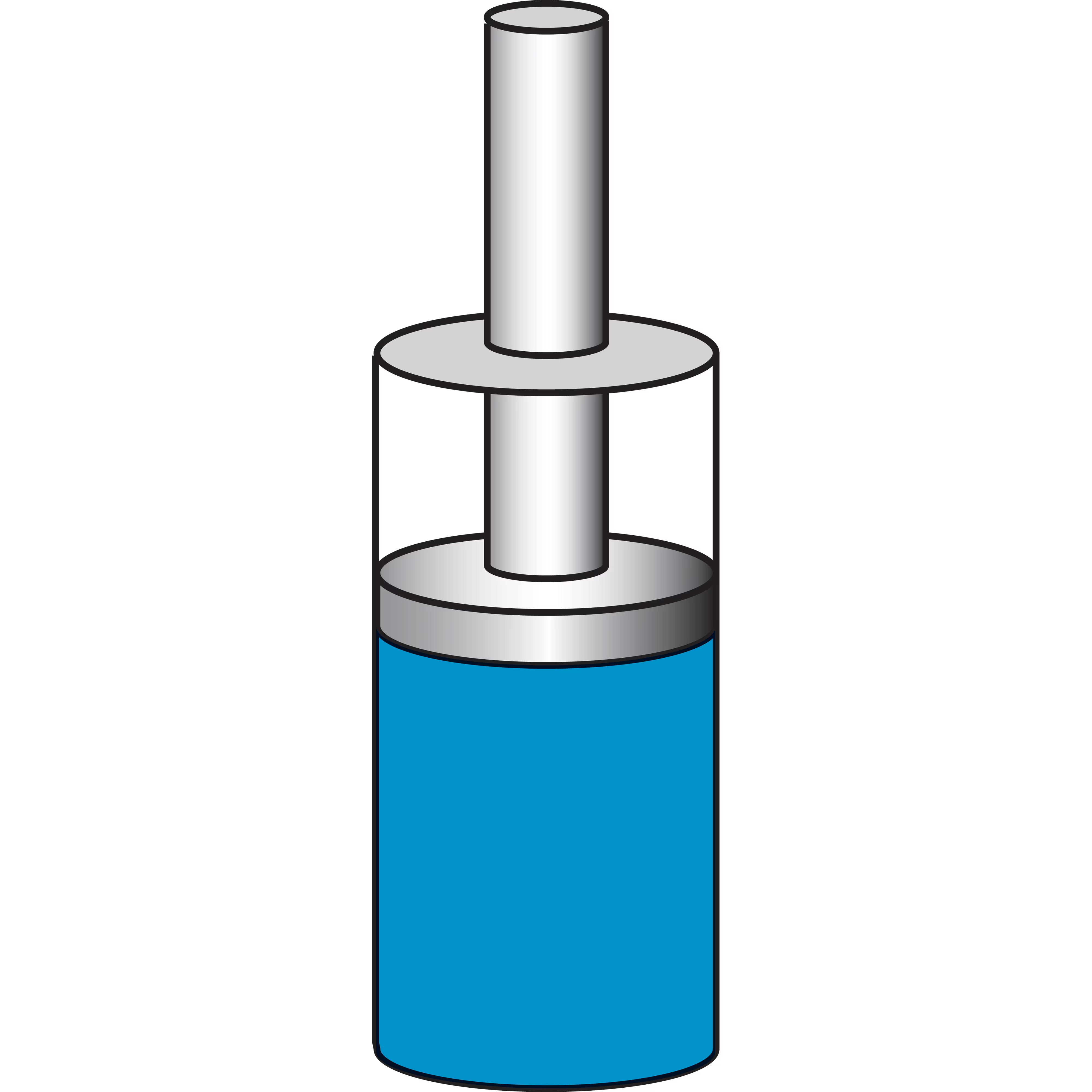
Lifting / Lowering (Jacking)
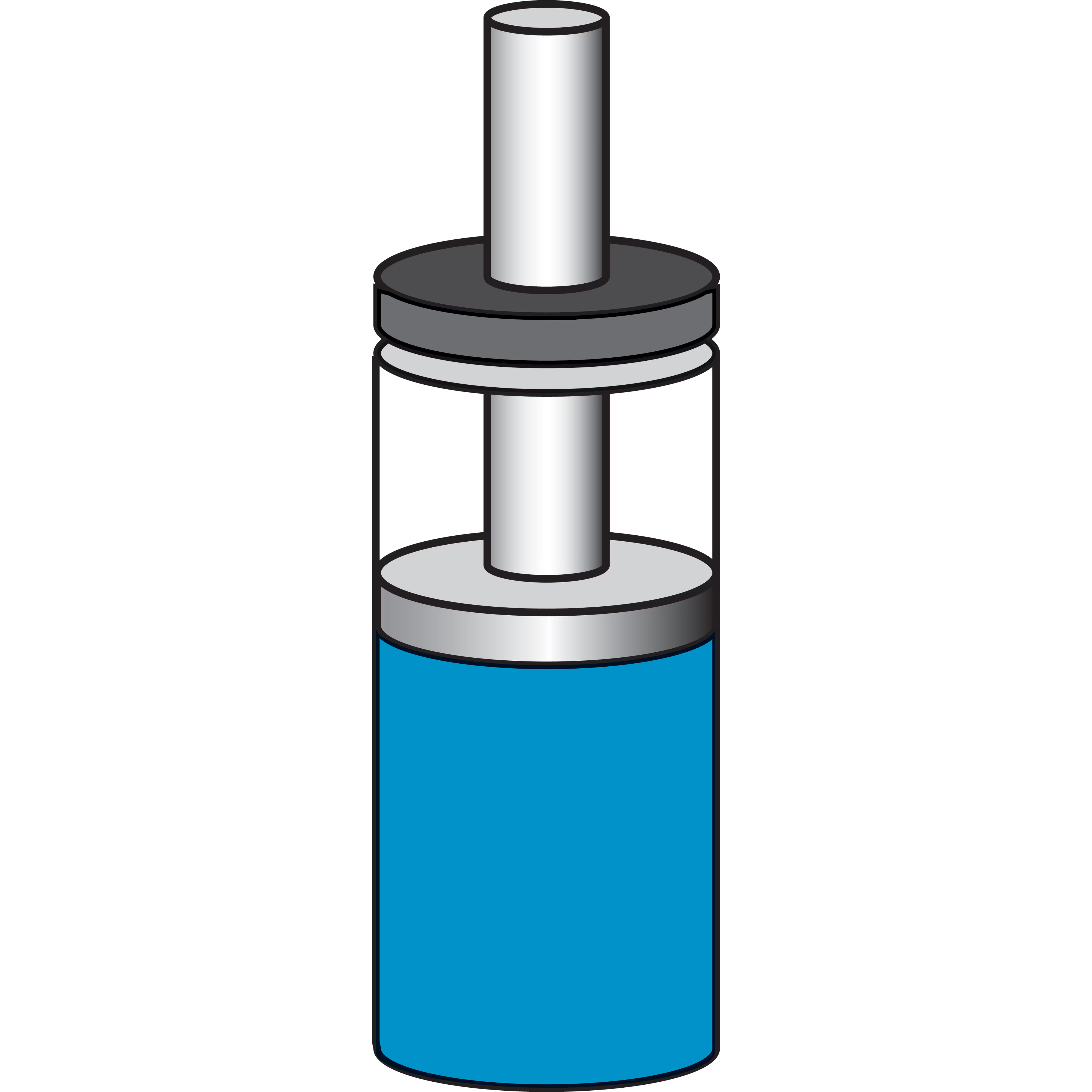
Holding
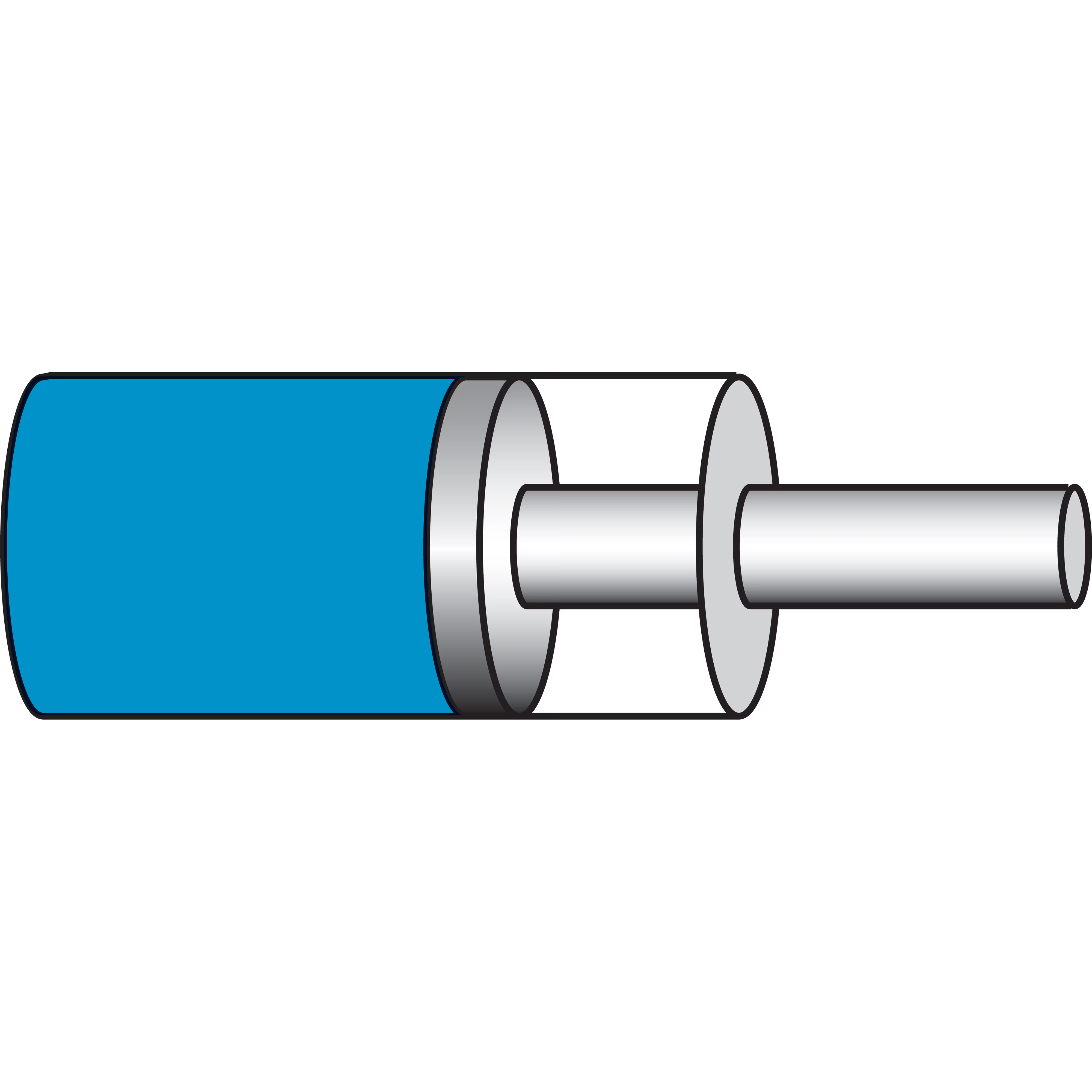
Pulling / Pushing
Production / Pressing
Return Types
Single-Acting and Double-Acting
Considerations
- Direction of force – advance, retract, or both
- Height constraints – weight, handle, lifting eyes
- Capacity – tonnage (remember the 80% rule)
Return Types
Single-Acting and Double-Acting
Considerations
- Holding mechanism – mechanical or hydraulic holding
- Height constraints – collapsed height
- Capacity – additional force required to release mechanical Lock-nuts (remember the 80% rule)
Return Types
Single-Acting and Double-Acting
Considerations
- Piston type – solid or hollow piston
- Direction of force – advance, retract, or both
- Capacity – tonnage (remember the 80% rule)
Return Types
Double-Acting
Considerations
- Mounting capabilities – collar threads, plunger threads, base mounting holes
- Cycle – high or low cycles
- Stroke – short, medium, long stroke
- Capacity – tonnage (remember the 80% rule)